Priyadharsini M. A study to assess the level of knowledge regarding selected pediatric oncological emergencies among staff nurses at SMVMCH, Pondicherry. RV Journal of Nursing Sciences. 2025;4(4):21–23.
Copyright (c)
This work is licensed under a Creative Commons Attribution 4.0 International License
ABSTRACT
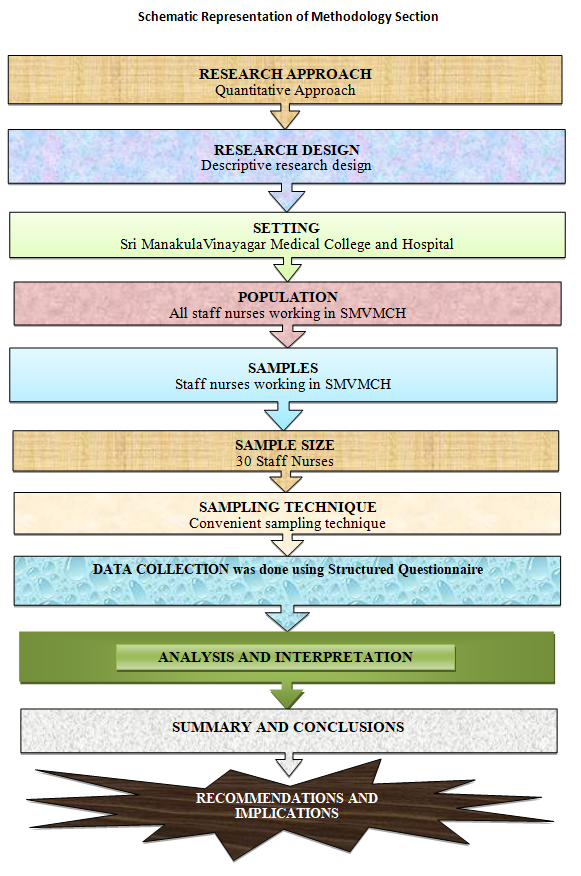
Introduction: Pediatric ontological emergencies are critical clinical conditions that arise due to structural or metabolic changes caused by cancer or its treatment, requiring immediate intervention to prevent loss of life or improve quality of life. The emergency department is often the first point of contact for newly diagnosed pediatric oncology patients, who may be severely ill at presentation. Common pediatric oenological emergencies include Tumor Lyses Syndrome, Superior Vena Cava Syndrome, and Spinal Cord Compression. This study aimed to review these emergencies in critical care settings and identify key management strategies to support ICU nursing staff. Methods: A quantitative research approach with a descriptive research design was adopted. The study was conducted among 30 staff nurses at Sri Manakula Vinayagar Nursing College, Pondicherry.
A structured questionnaire was used to assess their knowledge regarding selected pediatric oenological emergencies. The study also examined the association between the nurse’s level of knowledge and selected demographic variables. Results: The findings revealed that 44% of participants had inadequate knowledge, while 16% demonstrated moderate knowledge regarding pediatric oenological emergencies.
These results indicate that while some nurses have foundational knowledge and clinical exposure, there is a significant gap in comprehensive understanding and preparedness for managing such emergencies. Discussion: The study highlights the need for targeted educational interventions to enhance nurse’s knowledge and confidence in managing pediatric oenological emergencies. Recognizing early signs, even before changes in vital signs occur, is critical in improving patient outcomes. Continued training and clinical experience can help ICU nurses respond more effectively to these life-threatening situations.
References
Gupta A, Sonbol MB, Patel K. Tumor lysis syndrome. JAMA Oncol. 2018 Jun;4(6):895-902.
Endalamaw A, Tadesse M, Alemnew B, Tegegne B, Habtewold TD. Prevalence of childhood cancer among children attending referral hospitals in Ethiopia. BMC Cancer. 2021;21:2-10.
Bhatia BD. Superior vena cava syndrome in children. Indian J Hematol Blood Transfus. 2014 Jul;30(1):28-30.
Haut C. Oncological emergencies in the pediatric intensive care unit. AACN Clin Issues. 2005 Apr-Jun;16(2):232-45.
Butter E. Recent progress in the treatment of cancer in children. Recent Prog Pediatr Cancer. 2021;1-18.
Jofiro G, Kebede A, Mamo G, Aklilu T. Prevalence and associated factors of pediatric emergency mortality at TikurAnbessa specialized tertiary hospital: a five-year retrospective study. BMC Pediatr. 2018;18:2-10.
Haut C. Oncological emergencies in paediatric intensive care unit. AACN Clin Issues. 2005 Apr-Jun;16(2):232-45.
Jalane A. Oncologic emergencies in pediatric patients: what oncology nurses need to know. Oncol Times. 2014 Apr 10;36(7):2-4.
Bertram LA. Pediatric oncology nurses’ knowledge of safe administration of chemotherapy/biotherapy [dissertation]. Lexington (KY): University of Kentucky; 2015.